Residential Dumpster Safety Guide
Trying to throw away demolished drywall, old furniture, or prickly bushes in your curbside trash bin can seem impossible. Luckily, once you clear out your garage, landscaping beds, or renovation zone with the help of a roll-off dumpster rental, you’ll wonder how you ever lived without it. Renting a residential dumpster makes any big home project manageable.
Homeowners often consider location convenience and overall dumpster rental price when researching residential bins. While both are important, how you handle the dumpster from delivery to pick-up should always be done with safety in mind. From properly stacking debris inside to ensuring safe clearance around your bin, use these tips whether you’re a professional DIYer or dumpster rental veteran.
When those large steel containers arrive on your property, exercising caution is key to protecting your family and home. Read on for your guide to
residential dumpster safety below — and keep your project zone safe and productive.
Safe Dumpster Placement Tips
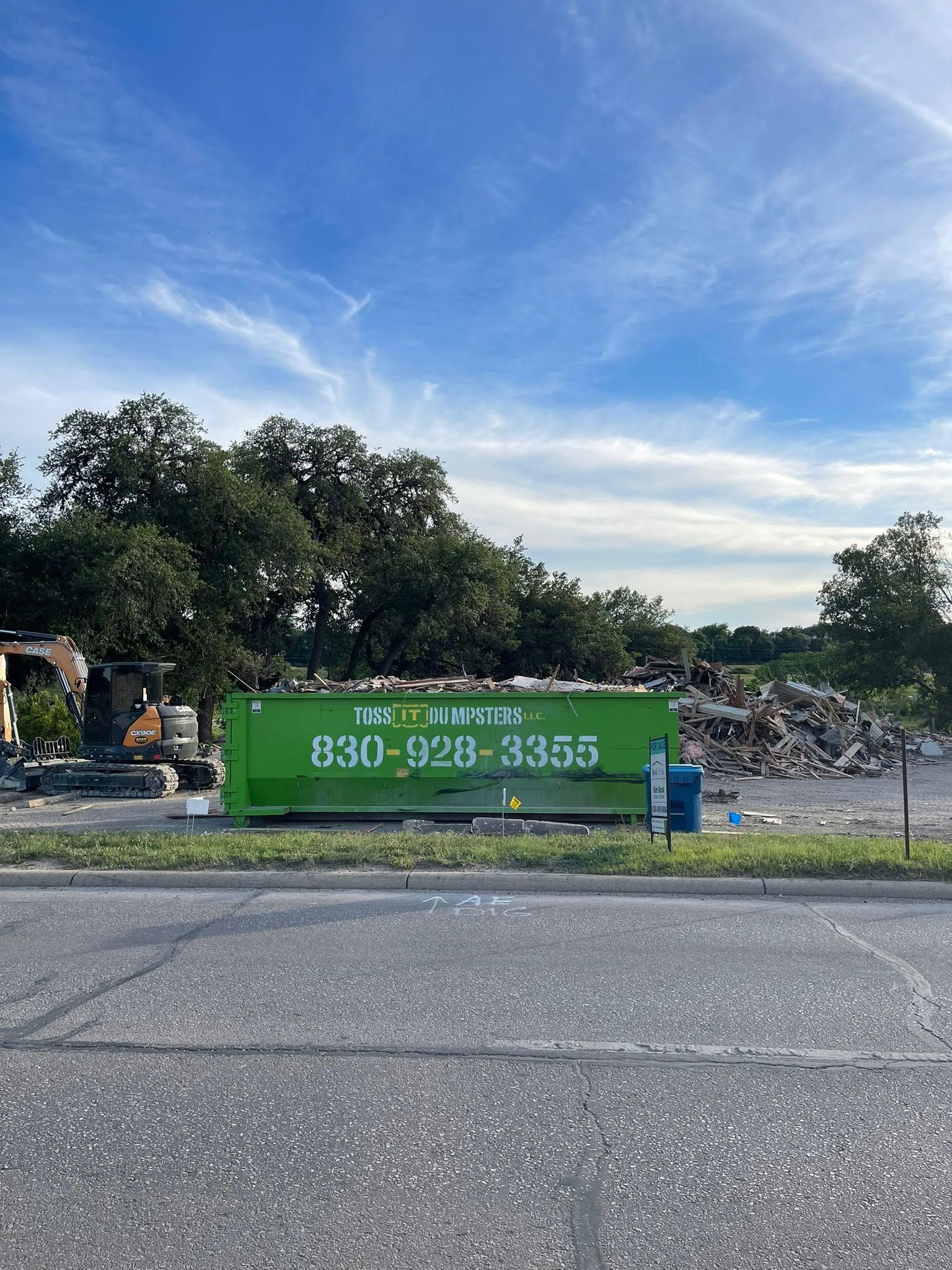
Creating a safe rental experience starts with proper dumpster placement. A fully-loaded dumpster can weigh multiple tons; if it isn’t placed on an appropriate surface, it can slide around, sink into the ground, or tip completely over. While most homeowners will place the roll-off in their driveway for easy access, take care that the ground is level and can support heavy weight. Not only can too much pressure crack your concrete or asphalt, but soft soil can cause the dumpster to break through and sink.
Clearance around the unit is another crucial element of placement. You should be sure to look up and around before deciding on a location. Know where nearby power lines, tree branches, and roof overhangs are located and leave at least 22 feet of overhead clearance.
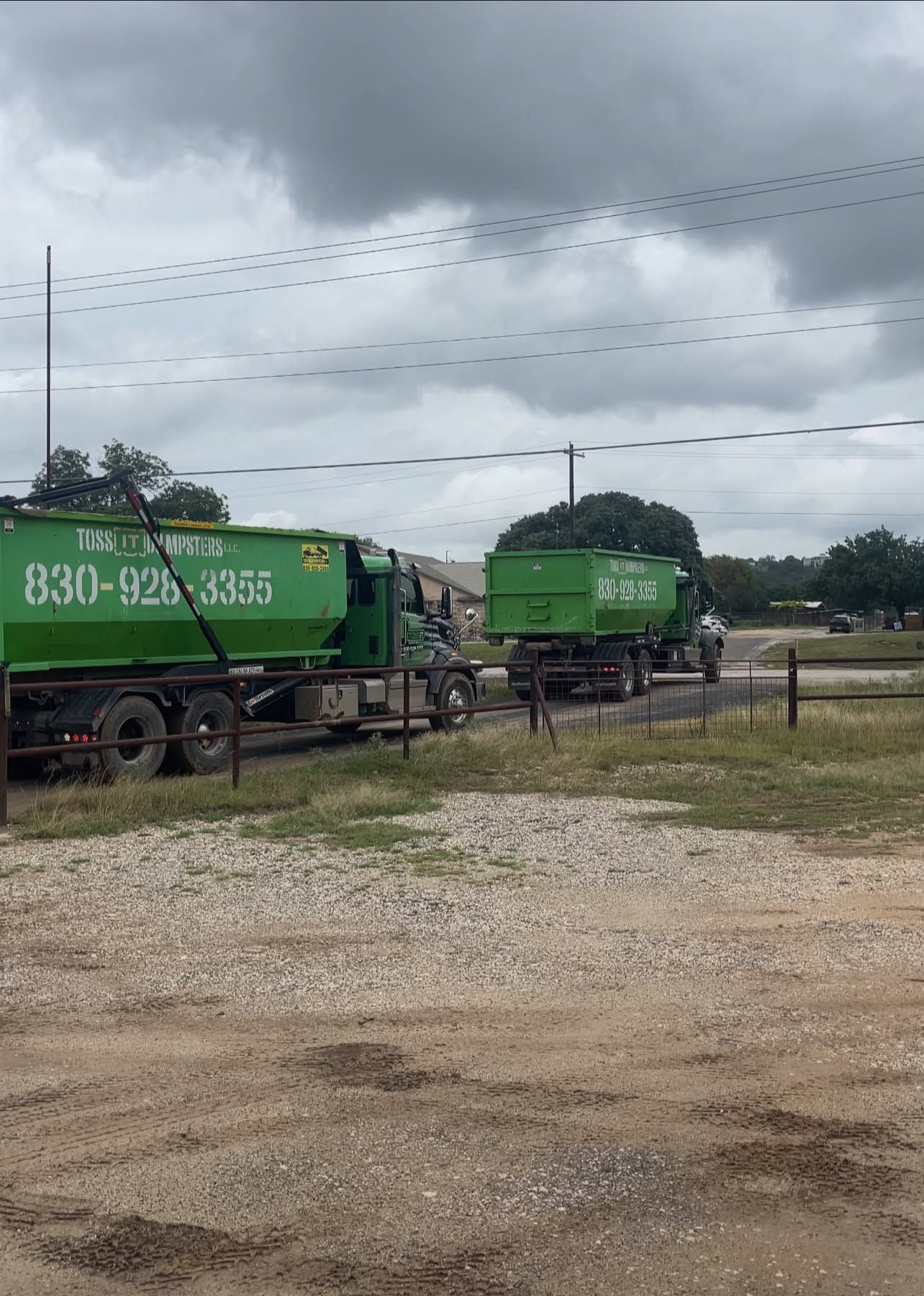
For safe access, your dumpster placement should also include enough room on either side to allow the trash truck to turn around. Many homeowners will reserve their street or parking spot for easy loader access, but check with your local city codes first. Some cities, like
New Braunfels, actually forbid street placement without a special permit.
How Do I Load My Dumpster Safely?
Dumpster loading typically doesn’t require special skill — unless you’re thinking about tossing junk over the side. Follow these residential dumpster safety tips and lift with your legs, not your back. The key rule to safe loading is to use the dumpster’s swinging door at the back of the container. Open the door and walk debris inside instead of climbing over the tall sidewalls. Walking debris into the dumpster also creates a tighter stack, eliminating air pockets.
Remember to distribute weight evenly across the floor of your dumpster. If you pile heavy debris like chunks of concrete on one side of your dumpster, it may not load safely on the truck. Dumpsters are designed to carry a heavy load, but an uneven distribution can damage the container or prevent the hydraulic lift from locking correctly. In addition to distributing weight inside the dumpster, you should also
avoid filling your dumpster too high. A majority of loading-related injuries are caused by people overstuffing their containers. Never allow the waste inside to surpass the “Max Fill” line near the top of the dumpster.
What Safety Risks Should I Look Out For?
Dumpsters usually collect the same safety hazards found at any construction site or home renovation. Sharp metal like screws, glass, and metal scraps are staples of residential waste. Wear thick boots and gloves when walking around your dumpster or loading debris. Safety glasses are also recommended when throwing away objects that can shatter or create debris.
Watch for tripping hazards around the unit itself. Debris loves to fall outside the dumpster during loading. Clear any fallen debris from around the edges of the dumpster to prevent accidental trips and falls. Make sure children and animals cannot play inside your dumpster during the rental period. Large dumpsters are attractive forts to toddlers and pets, creating safety hazards if not supervised. When not in use, keep the dumpster door secured and cover the top with a tarp if your project spans multiple days. A closed dumpster also prevents rain from adding extra weight to your debris load.
What Items Are Illegal to Put In My Dumpster?
Knowing how to safely use your dumpster also includes knowing what not to put in your dumpster. Many people assume that anything you can fit inside the roll-off container is fair game. However, placing certain materials inside your dumpster is not only against company policy; it can be illegal and cause serious harm to the environment or your property. Many rental agreements will prohibit dumping hazardous waste inside your dumpster, including:
- Wet paint or paint thinners
- Motor oil, gasoline, antifreeze, and other automotive chemicals
- Propane tanks or compressed gas cylinders
- Lead-acid batteries from cars
- Freon charges within air conditioning units or refrigerators
- Tires
These materials can create deadly toxins when crushed under weight or punctured by sharp objects. Always check with your rental provider if you have
hazardous waste materials that need to be disposed of properly. Most Texas counties host yearly hazardous waste drop-off days.
When Should I Schedule Pickup?
Timing your dumpster pickup may seem inconsequential. However, scheduling your haul-away at the right time is one of the easiest dumpster safety tips to follow. Schedule your dumpster pickup as soon as you’ve completed your project or when the debris hits the fill line. Not only is having a full dumpster sitting on your property unsightly, but dumpster rentals left for weeks can attract pests and dishonest neighbors. If you fill your dumpster halfway through your project, many companies will allow you to swap out dumpsters without penalty. Trying to force extra waste into your dumpster can create serious injuries when loading on the backend.
Safety Checklist for Your Dumpster Rental
Before you grab that bag of trash, run through this quick safety checklist:
- Is my dumpster on a flat surface?
- If it’s not paved, is there wood protection underneath?
- Can I open the door and enter without approaching traffic?
- Do I have a place to store hazardous waste away from the unit?
- Did I grab my gloves, boots, and eye protection?
Partner with Toss It Dumpsters | Residential Dumpster Safety Experts
Don’t let placement worries or wrong materials prevent you from tackling that DIY project. Toss It Dumpsters knows Texas Hill Country homes inside and out. Our residential routes through small towns like Stonewall and New Braunfels are designed with your property in mind. We offer reliable dumpster rental services that start with safe dumpster placement guidelines so you can enjoy your project week.
Whether you need a 10-yard dumpster for attic cleanouts or a 40-yard monster to fill with demolition debris, we have upfront pricing and expert delivery. Our drivers are equipped with the right tools to ensure your bin is placed safely on your property and does not harm driveway edges or landscaping. Give us the logistics so you can focus on getting things done.
Give us a call or
fill out our contact form for a free quote from a local team that cares about your safety.