Construction Safety Audit Guide
There’s more to construction than hard work and quality materials. A safe jobsite requires vigilance and a commitment to ensuring the people behind the build are protected. While thousands of needless accidents happen on job sites each year, many can be avoided by conducting regular reviews of operations and policies. Construction safety audits create that opportunity by putting numbers and strategies behind the otherwise ambiguous idea of “site safety”. Don’t risk injuring your employees or falling behind on compliance – start paying attention to the small things.
What Is a Construction Safety Audit?
A construction safety audit is a formal documentation of your jobsite, with an emphasis on discovering potential hazards. These audits look at existing policies and practices to ensure your build is compliant with local and federal laws. Auditors will verify that your company has an effective safety program in place and remedy any problems before real harm can occur.
Why Are Safety Audits Important on Job Sites?
Between back-to-back meetings and aggressive project timelines, Texas builds move quickly. Minor safety issues can easily fall through the cracks when a job site is running full speed ahead. While staying organized and meeting milestones are important, there’s no getting around the fact that workplace safety audits save businesses.
- Accidents and Violations Will Decrease: Whether it’s identifying that pesky cable running across walkways or confirming that the site perimeter is secure, audits prevent injuries before the workday even begins. Fewer injuries also means lower company liability. If OSHA comes knocking, you can show a history of regular audits as a “good faith” effort to provide a safe working environment.
- You’ll Stay On Schedule: A safe workplace is a happy workplace. When your team feels safe and your site is tidy, workflow continues uninterrupted. Injuries cause delays – broken equipment causes expensive delays. Hold regular workplace safety audits to catch these hazards and keep your project moving forward.
Do I Really Need to Audit Every Aspect of My Jobsite?
Yes. Safety audits should leave no barrel unturned. From fall protection to that mysterious trash bag in the back corner of your lot, safety covers every aspect of your job site.
Heavy Equipment and Tools
Audit your equipment and tools as if you were checking them for the first time. Ensure ladders are secured, dump trucks have their lights functioning, and power tools are stored properly when not in use.
Personal Protective Equipment (PPE)
Hard hats, vests, and eye protection should be standard issue for anyone setting foot on your jobsite. It doesn’t matter if that intern decided to forego their safety gear – if anyone is unsafe, your audit should fail.
Waste Management
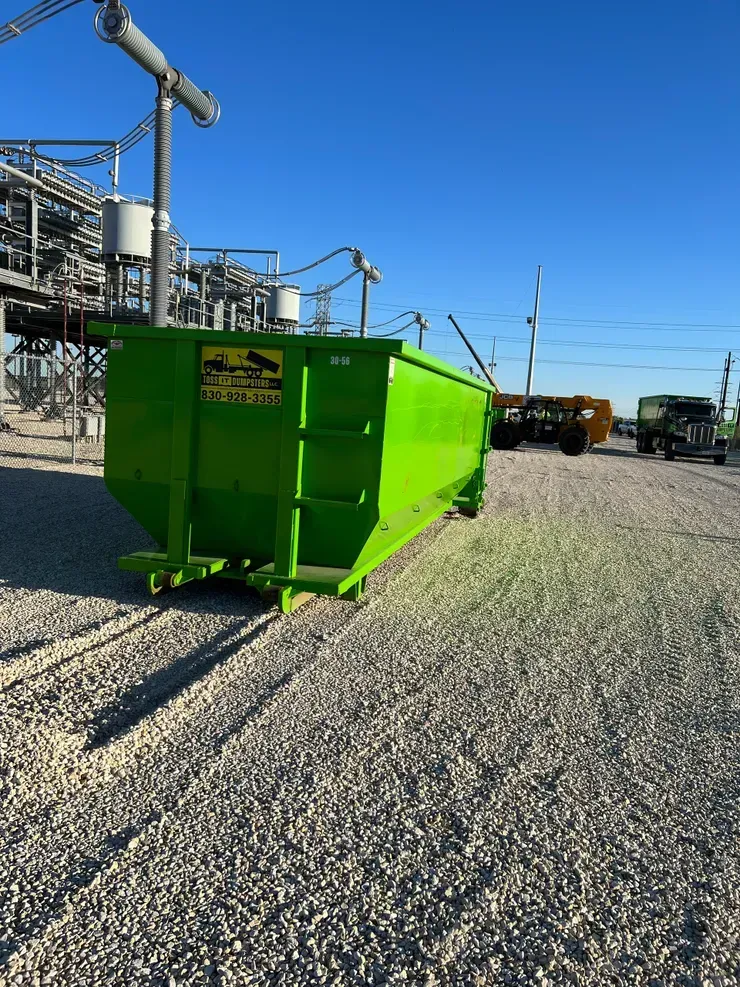
Clutter is the number one cause of on-site injury. Keep dumpsters away from high traffic areas and ensure your waste management plan is being followed. Debris should be contained, not spilling out of bins and creating more work for your team.
Sanitation
Providing easily accessible restroom facilities and handwashing stations keeps your workers from calling in sick. Clean restrooms also cuts down on breaks, maximizing your team’s productivity.
Chemicals
Are all of your chemicals stored safely? Make sure paints, fuels, and solvents are contained properly and not mixing on shelves. OSHA requires full visibility of safety data sheets for each chemical on site.
Fall Protection & Coverings
Employees should be trained and protected when working at heights. Exposed materials can be dangerous as well. If there is a hole in the ground, it should be covered unless someone is actively working there.
Remove Distractions
Expectations aren’t always communicated to new subcontractors or temporary visitors. Make the safe zones absolutely clear with strong physical barriers and easy-to-read signage.
Site Safety Audit Checklist
Please enjoy this simple checklist you can reference during your next jobsite audit.
Around the Jobsite and Outside Property
- Are all doors and restricted access points secured?
- Is the jobsite fenced or cordoned off with bright tape?
- Is there a designated drop-off zone for deliveries that doesn’t block an emergency exit?
General Work Area
- Are workers following best practices for fall protection?
- Can you produce a recent safety meeting or “toolbox talk” documentation?
- Is every worker trained on the equipment they will use today?
Dumpster Rentals and Portable Restrooms
- Are your dumpster rentals on a level surface, away from walkways?
- Is your waste management plan being followed, or is trash overflowing from bins?
- Are porta potty rentals serviced, clean, and stocked with toilet paper & hand soap?
- Do you have enough porta potties per worker to meet health code requirements?
Emergency Equipment
- Are all fire extinguishers charged and visible to workers?
- Is there an accessible first aid kit on premises?
- Can an emergency response vehicle pull all the way onto the lot?
Common Safety Violations At Construction Sites
Failing a construction safety audit is only a disappointment if you don’t learn from your mistakes. These are three of the most common violations found during construction site compliance checks.
Dumpster diving
Throwing liquid waste and sharp metals into your regular trash can lead to expensive fines and safety hazards. Build a comprehensive waste management plan and follow it daily.
Messy work areas
Pulling into a dumpster rental’s lot and dumping a load wherever there’s room might be convenient, but it’s a one-way ticket to chaos. Expect every employee to pick up their materials where they drop them.
Half-hearted PPE
“If Johnny can wear shorts, I should be able to too.” Safety doesn’t work like that. If you catch one worker not wearing the proper equipment, there are likely more.
How Can I Improve Site Safety?
Construction safety doesn’t happen by accident. Take these tips one step further by implementing a culture of safety that starts at the top.
Inspect Unexpectedly
Try switching up your normal routine with surprise inspections. Auditing when everyone knows it’s happening (like the day before OSHA’s scheduled visit) allows people to straighten up and correct mistakes. Push your team to be accurate even when you’re not looking.
Portable sanitation and
dumpsters are foundational to a clean jobsite. Make sure your crew knows where the nearest restroom is at all times. Schedule timely swaps for full containers so loose debris doesn’t pile up.
Invest In Training
Safety training shouldn’t happen once. Bring your team together for weekly “toolbox talks” that highlight new equipment or temporary dangers. When everyone is responsible for safety, everyone works harder to avoid accidents.
Try The Three Foot Rule
Safety isn’t a corner you can cut by a few inches. Keep three feet of clearance around every portable toilet and dumpster so service vehicles can access the units, and workers don’t have to walk through blind spots.
Job Site Safety Starts With Toss It Dumpsters
Running a safe and compliant jobsite takes time and attention that construction professionals just don’t have. Toss It Dumpsters is here to lighten the load with superior portable sanitation and customizable dumpster rentals. Serving the Texas Hill Country since 2010, we’ve made it our mission to provide local service for locals.
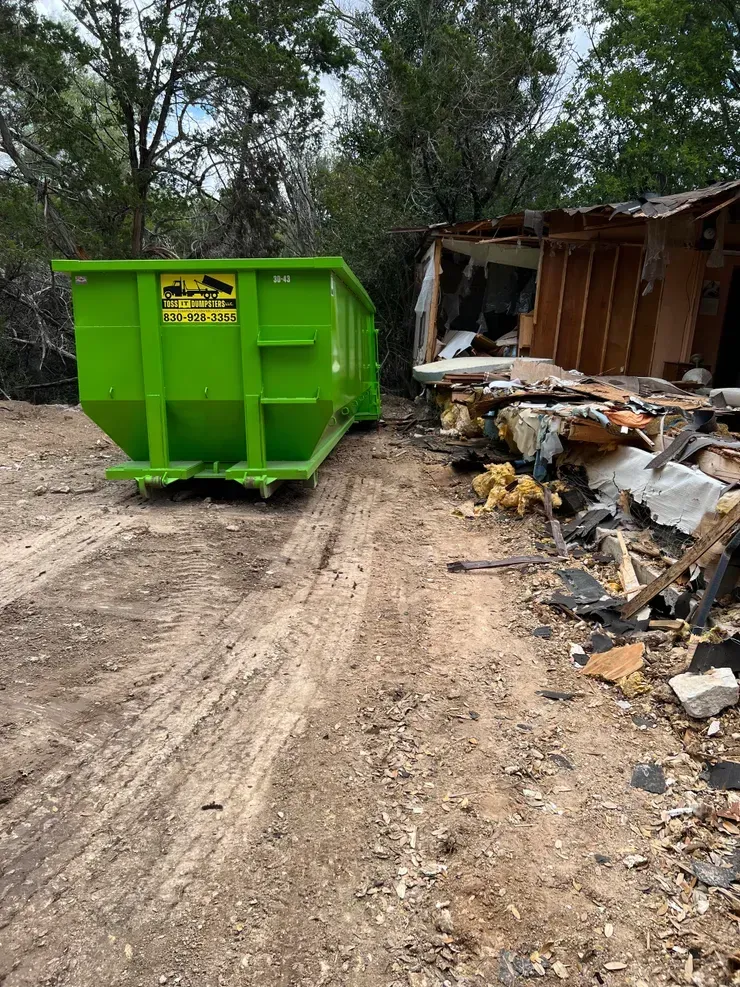
Need a rugged dumpster rental to house debris from a demolition in Boerne? We service that. Preparing for a
multi-year construction project in Austin? We can scale our dumpster rentals to fit your budget. Toss It Dumpsters has 15-, 20-, 30-, and 40-yard options and the industry-leading porta potty solutions to support your project.
Give yourself the best chance at passing that next construction safety audit by scheduling your dumpster and
porta potty delivery today. We offer same-day or next-day service to make sure overflowing containers never become a safety issue on your lot.
How often should I perform a construction safety audit?
We recommend performing mini-audits or daily walk-throughs of your jobsite. These can be less intensive, but catch common hazards like unsafe travel paths or missing PPE. Larger-scale audits should occur, at a minimum, quarterly to ensure you aren’t missing anything.
Who should perform safety audits?
Ideally, your site supervisor. But let’s be real – we know what’s actually going to happen on your jobsite. Having someone other than your crew conducting daily audits is ideal for complete transparency. If your budget allows, hire a 3rd party safety consultant to review your site.
What are the consequences if I fail a safety audit?
If you fail one of your own internal audits, make the necessary corrections and document everything. If OSHA conducts an inspection and you fail to pass, you can be fined easily into six figures and required to cease operations.
Do I need a permit to place dumpsters on my jobsite?
If the dumpster will be placed on private property, you do not need a permit. However, if your Dumpster will be placed on public property (street, parking lot easement) then you most likely will need to obtain a permit from your city or county office.