Keeping Event Venues Clean Throughout the Day
Throwing an event requires finesse in entertainment selection, time management, and operational logistics. One of the biggest challenges in keeping event venues clean begins with the opening of gates until the last guest leaves. Overflowing trash cans and unswept bathrooms can ruin the vibe quickly, even when you have top-tier DJs and gourmet catering.
Cleaning efforts shouldn’t only happen after hours when guests leave for the night. Ensuring a sanitary environment is an active practice that should happen concurrently with your event schedule. Partnering with a qualified dumpster rental company and mapping out trash pickup routes allows small problems to never grow into large-scale safety, logistical, or sanitation headaches.
How Cleanliness Impacts Event Success
Event cleanliness sets the tone for how guests perceive an entire operation. Nothing hurts a first impression faster than cluttered tables and overflowing trash receptacles. Clean spaces subconsciously communicate to visitors that you care about safety, attention to detail, and customer service. When rubbish bins are full, tables are clear, and floors are swept, patrons treat the property with respect.
Safety is another critical component of sanitation. Cups on the ground, sticky wrappers, and spilled liquids create instant slip-and-trip hazards on sidewalks or dance floors. Actively managing trash reduces your liability with insurance providers and local health departments.
Property managers and local businesses typically reserve the right to perform post-event inspections before approving your payment. Allowing litter to build up through the afternoon can cause runaway garbage to blow into nearby wooded areas and drag your cleaning crew across groomed grass to find bathrooms and handwashing stations. Hour-by-hour maintenance can save your security deposit and vendor relationship down the road.
Create a Waste Management Plan Before the Event
Careful planning starts weeks in advance of vendors setting up shop. Having a complete festival waste management plan clarifies how vendors will access the venue, where materials will accumulate, and how they’ll exit when the party’s over.
Map out the location blueprint of your festival grounds or event space. Walkthroughs help event planners visualize high-traffic corridors, seating hubs, entrances/exits, and food vendor locations. These hotspots create unique cleanup challenges. Nightclubs with bars or kegs generate gallons of liquid waste, heavy cardboard, and aluminum that require bigger bins and faster refresh rates.
Communicate with your vendors before the day of regarding back-of-house policies. Mandate that caterers and food trucks clean their own kitchen debris and clarify which bulky dumpsters they should use to discard heavy wrappers and grease pans. Establishing these rules early on can reduce vendor trash from overflowing onto guest-facing stations.
Strategically Place Trash and Recycling Containers
Pros won’t scatter garbage cans anywhere they see fit. Instead, they base the position on natural guest movement patterns. Party-goers will walk only a few feet out of their way to trash a cup or deposit a bag.
Duo every trash receptacle with a recycling bin. Whenever possible, keep recycling containers next to trash cans to eliminate contamination. Isolated bins tend to get pushed over or filled with garbage because few guests take the time to sort plastics and aluminum unless reminded. Use vibrant signage or colored receptacles to easily identify where guests should dump cans, bottles, and glass.
Place large groups of containers near exits, main stages, and dining areas. As guests migrate from stage-front to burger booths, they’ll naturally seek areas to drop off trash along the way. Distributing bin pairs every 50 feet along a main aisle deters debris from landing on the ground.
Rent the Right Number of Dumpsters
Having stellar trash cans means little if your crew has nowhere to put full bags. Renting portable dumpsters for events creates a centralized location to offload large quantities of waste away from guest areas.
Evaluate time-of-day, expected head-count, and menu services when determining container needs. Events serving full meals, drinks, or heavy-handed promotions need significantly more storage space. Use the following chart to calculate the total number of dumpsters required.
Event Waste Estimation Guide:
- Small Impact Events (No Food/Drink): Expect ~.5 lbs of trash per person
- Medium Impact Events (Snacks/Drinks): Expect ~1.0 lb of trash per person
- Large Impact Events (Full Meals/Food Trucks): Expect ~1.5-2.5 lbs of trash per person
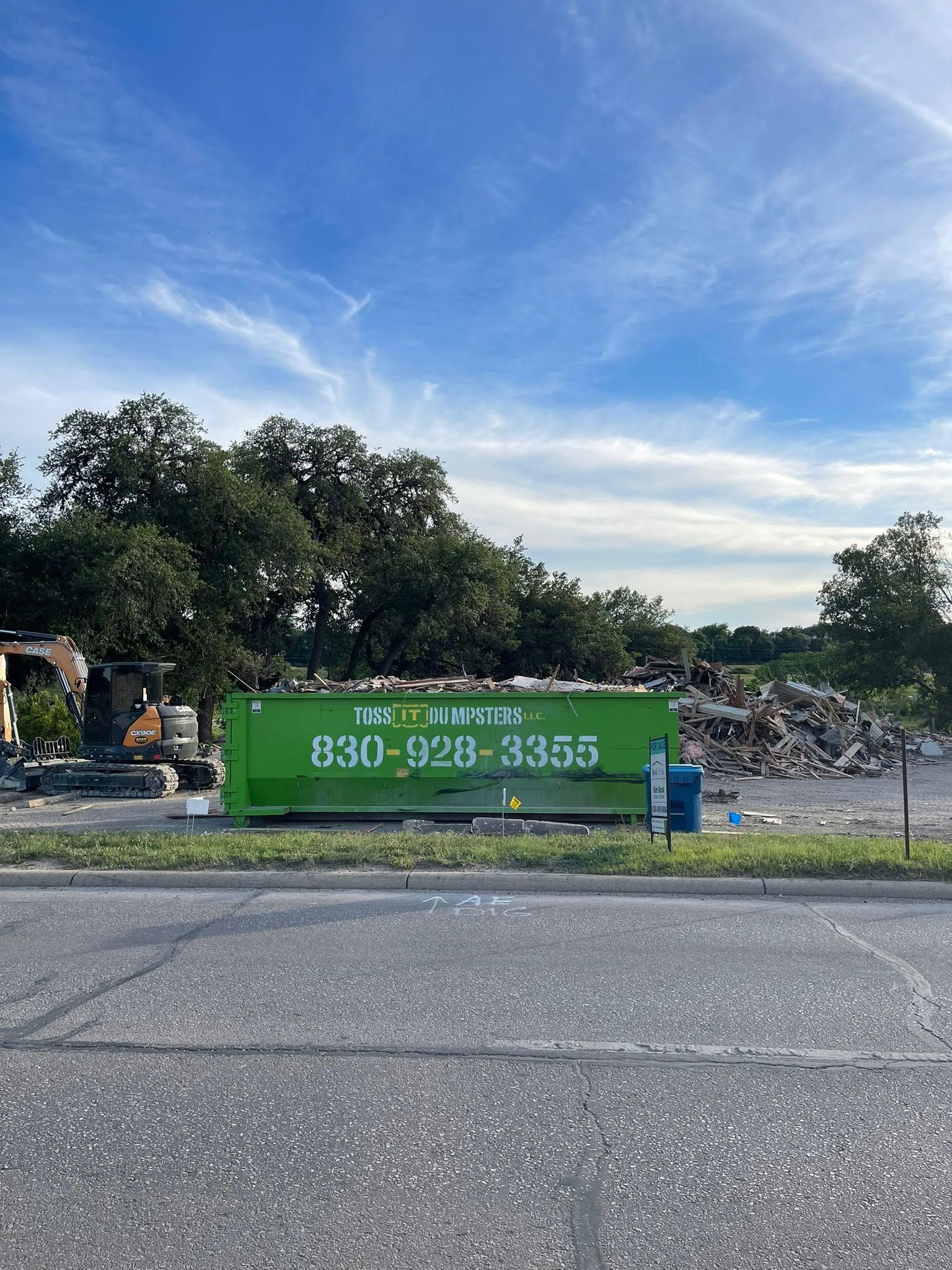
Deploy clusters of two to three 20-yard or 30-yard roll-off containers for large community events. Place bins in an out-of-view backstage area so cleaning crews can swap out small bins throughout the day without disrupting the overall look of your venue. These large containers can hold anywhere from 4 to 7 smaller bins before needing to be emptied by your
waste management vendor.
Schedule Portable Restrooms and Handwashing Stations
Restroom clean-up shouldn’t be overlooked when mapping out trash management. Renting high-quality portable restroom rentals for your festival ensures lines stay short and sanitary conditions are upheld.
Space bathrooms away from serving areas but place units in well-lit, highly visible areas. A centralized cluster of portable toilets near handwashing stations dramatically increases usage and minimizes crowds blocking walkways. For weekend festivals or large crowds that consume alcohol, schedule a proactive midway servicing routine to vacuum septic tanks, refill restroom paper, and clean surfaces.
Tip: Hourly High-Touch Areas
Install a worker to scan portable toilets each hour. Simple jobs like disinfecting door handles, stocking soap, or wiping sinks will keep cleanliness at optimal conditions throughout the busiest periods.
Assign Cleanup Teams Throughout the Event
Waiting until midnight to clean your venue is asking for disaster. Proactive cleanup takes place while guests enjoy your event.
Divide your cleanup crew into groups with direct area responsibilities:
Team 1: The Roaming Sweepers
These crew members patrol aisles with trash grabbers and trash bags, picking loose debris off grass, tables, and sidewalks.
Team 2: The Bin Refreshers
Responsible for public bins, this team quickly swaps out trash bag liners before garbage can tumble onto the ground. They’ll wheel full bags to the centralized dumpsters using utility carts.
Team 3: The Quick Fixers
This squad waits backstage to remedy large messes or crowd blockages. Group members wear multiple hats when clearing glass spills, tackle overturned buckets near entranceways, etc.
Cleaning Crew Checklist
- Sweep between seating every hour
- Empty grounds crews’ small bins when 75% full
- Monitor all handwashing stations for soap + paper towels
- Pick up leftover plates/cups from dining tables
Partner With a Local Event Sanitation Provider | Toss It Dumpsters
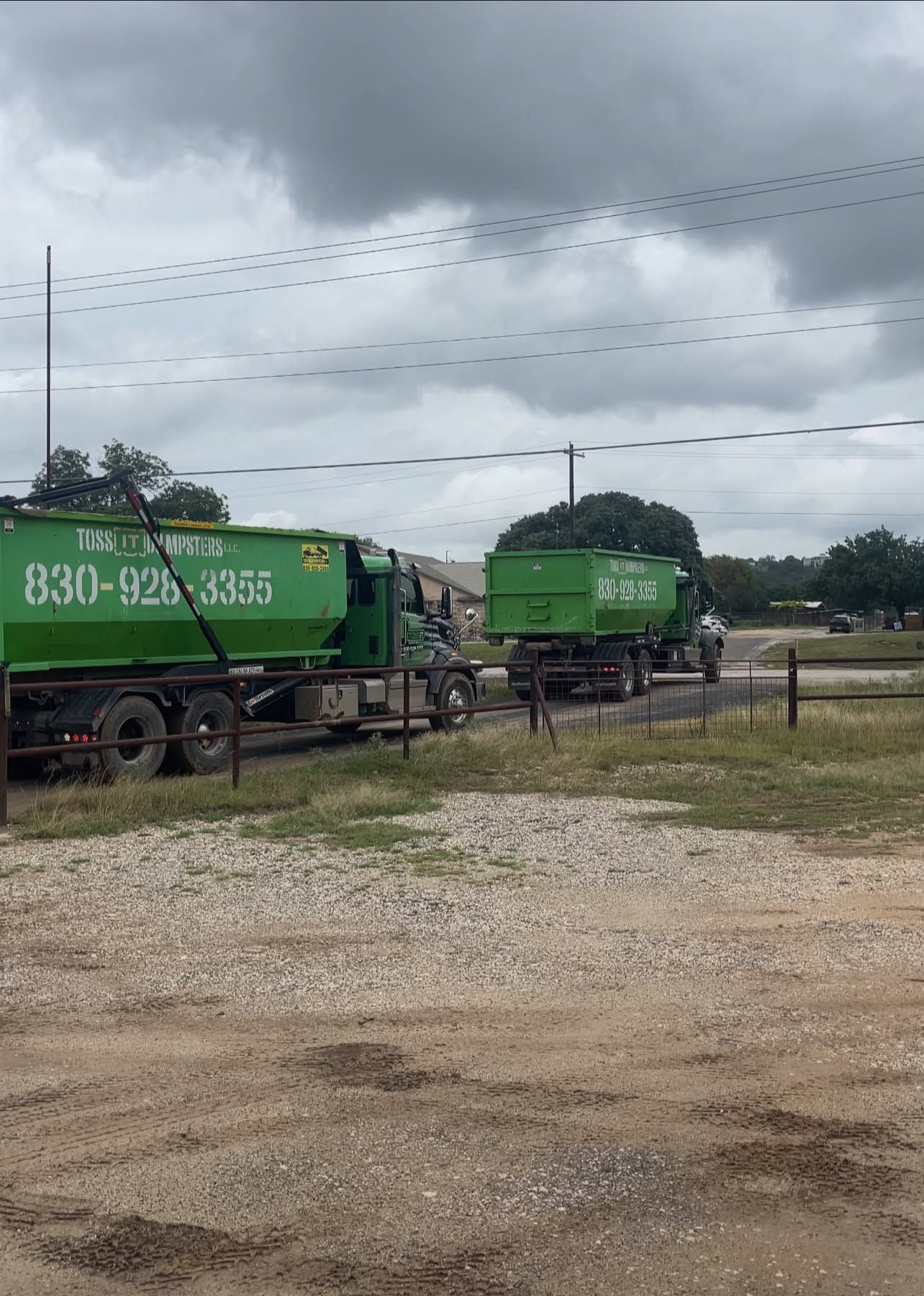
Implementing a successful cleanup regimen starts with reliable containers and equipment. At Toss It Dumpsters, we proudly provide dumpster rental solutions for events across the Texas Hill Country. Whether hosting an outdoor wedding near Fredericksburg, TX, or servicing a local convention in downtown Austin, our family-owned business caters to your specific needs with upfront pricing and zero hidden fees.
By consolidating your rental needs with a local business, you can often combine haul-away dumpsters and portable restroom rentals through Toss It Portacans. Our integrated delivery process guarantees your equipment arrives early, stays adequately serviced, and gets taken away when you kick guests out.
Contact Toss It Dumpsters to start your free quote today and keep your venue sparkling all day long.
Frequently Asked Questions
Q: How do you keep an event venue clean?
A: Keeping an event venue clean requires you to stage trash and recycling bins along high-traffic areas, have a ground crew regularly empty bins throughout the day, rent enough backend dumpsters, and schedule routine clean-up for all portable restrooms on-site.
Q: How many dumpsters do I need for an event?
A: Providing enough containers depends on the size of your event. Typically, you should expect to provide at least 1-2 20-yard dumpsters for every 500-1,000 attendees.
Q: How often should trash be collected during an event?
A: Ideally, public trash bins should be emptied before they reach maximum capacity. This means your ground crew will often be replacing bin liners every hour or so in high-volume areas like food courts or main stages.
Q: What sanitation services are needed for events?
A: Events typically need public-facing trash and recycling bins, oversized dumpsters, portable restroom rentals, handwashing stations or hand-sanitizer, and a crew to manage waste and restock frequently.