
Residential Demolition: What To Expect In Hill Country TX
The Texas Hill Country is booming. From Kerrville to North Austin, we are seeing a wave of revitalization as new homeowners breathe life into historic properties and developers prepare land for modern builds. Whether you are clearing a lot for a dream home or removing an old structure to expand your current living space, the path forward often starts with a tear-down.
However, bringing down a house is about more than just brute force. It is a calculated engineering feat that requires precision, legal compliance, and strict safety protocols. If you are considering a project in this region, you need to know that the rocky terrain and local regulations create a unique set of challenges.
Let's explore the residential demolition process in Central Texas, outlining the critical steps you must take to protect your property and your wallet.
Understanding Residential Demolition
Many people picture a wrecking ball swinging wildly when they hear "demolition," but the reality is much more controlled. Residential demolition is a systematic deconstruction process designed to bring a structure down safely without damaging neighboring properties or the environment.
In the Hill Country, this process often begins with "light demolition" or selective removal. Perhaps you only need to remove a dilapidated detached garage, a rotting deck, or an interior section of a home during a remodel. For complete tear-downs, the approach changes. We use heavy machinery like excavators and skid steers to surgically dismantle the house, often starting from the roof and working our way down. This method allows us to control the fall of debris and separate materials for recycling — a crucial step for cost efficiency and environmental stewardship.
Safety Considerations For Demolition Projects
Safety is the non-negotiable foundation of any successful project. Before a single piece of equipment arrives on site, we must address the hidden hazards that older Texas homes often contain.
Asbestos and Lead Abatement
If your home was built before 1980, there is a high probability it contains asbestos or lead-based paint. Texas law and federal regulations mandate an asbestos survey before demolition begins. If these materials are disturbed without proper containment, they release toxic fibers into the air. We always verify that a certified inspector has cleared the structure.
Utility Disconnection
One of the most dangerous risks during the demolition process is hitting a live utility line. In the rocky soil of the Hill Country, gas and water lines can sometimes be buried at inconsistent depths. We coordinate with local providers — whether it's Austin Energy, KPUB, or a local co-op — to terminate all services at the street level. This prevents gas leaks, water main breaks, and dangerous electrical arcs.
Permits and Legal Requirements
Navigating the bureaucracy of Central Texas municipalities can be as challenging as the physical labor. Regulations vary significantly between the City of Austin, Kerrville, and the unincorporated areas of Hays or Kerr counties.
The Permitting Maze
Most cities require a specific demolition permit. In Austin, for example, you often need an "Affidavit of Compliance" and must adhere to strict notification windows, informing neighbors 5 to 10 days before work starts. You cannot simply bulldoze a house on a whim; doing so can lead to stop-work orders and hefty fines.
Tree Protection
Our region is famous for its Heritage Live Oaks and Cedars. Many local ordinances strictly protect trees over a certain diameter (often 19 inches). Before we begin, we install critical root zone protection fencing. Failing to protect these trees isn't just an ecological error; it is a legal violation that can cost thousands of dollars per tree.
Managing Debris and Waste Disposal
Once the structure is down, you are left with tons of concrete, wood, metal, and drywall. Effective demolition waste disposal is what separates a professional job from a messy headache.
Demolition Dumpster Rental
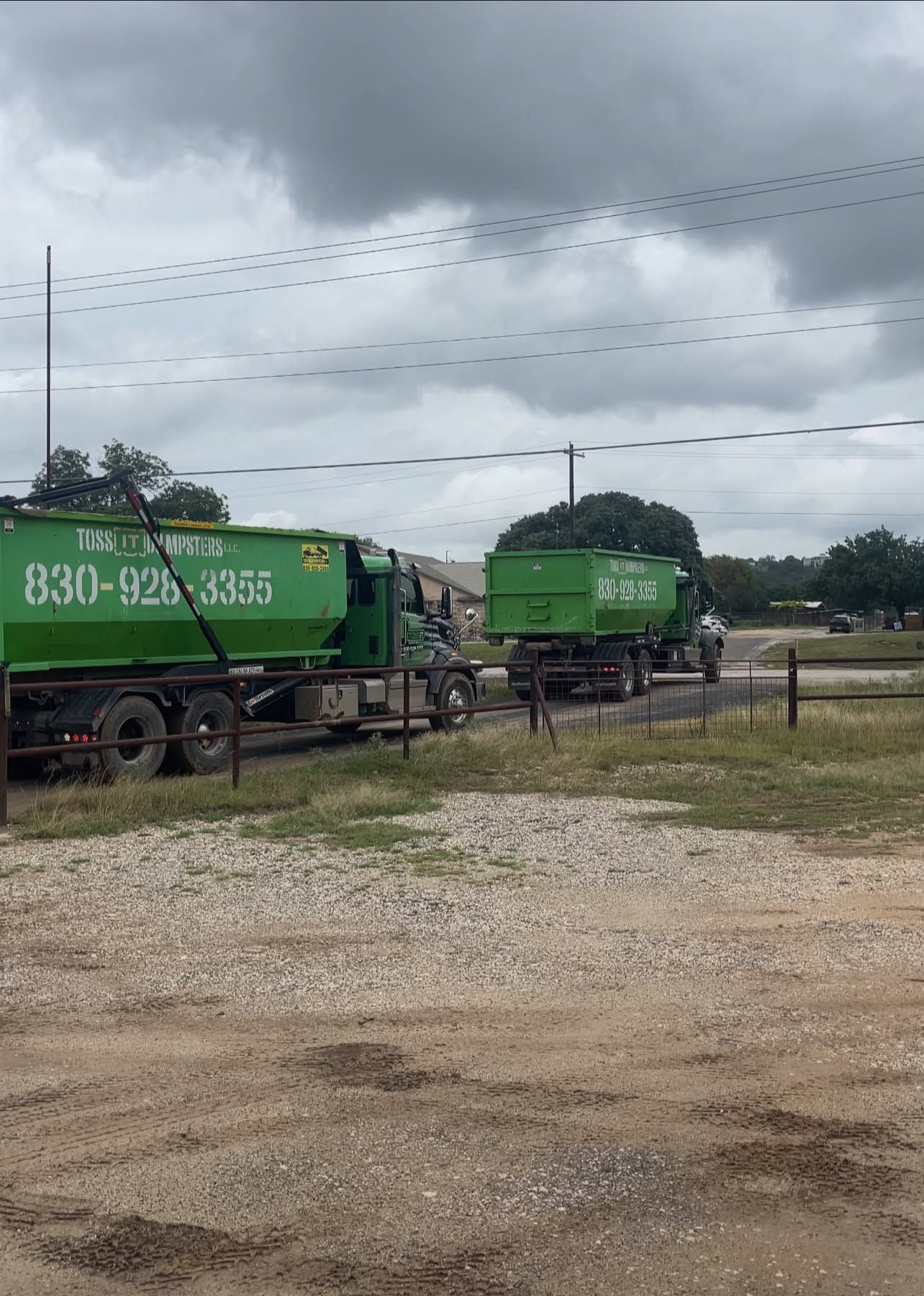
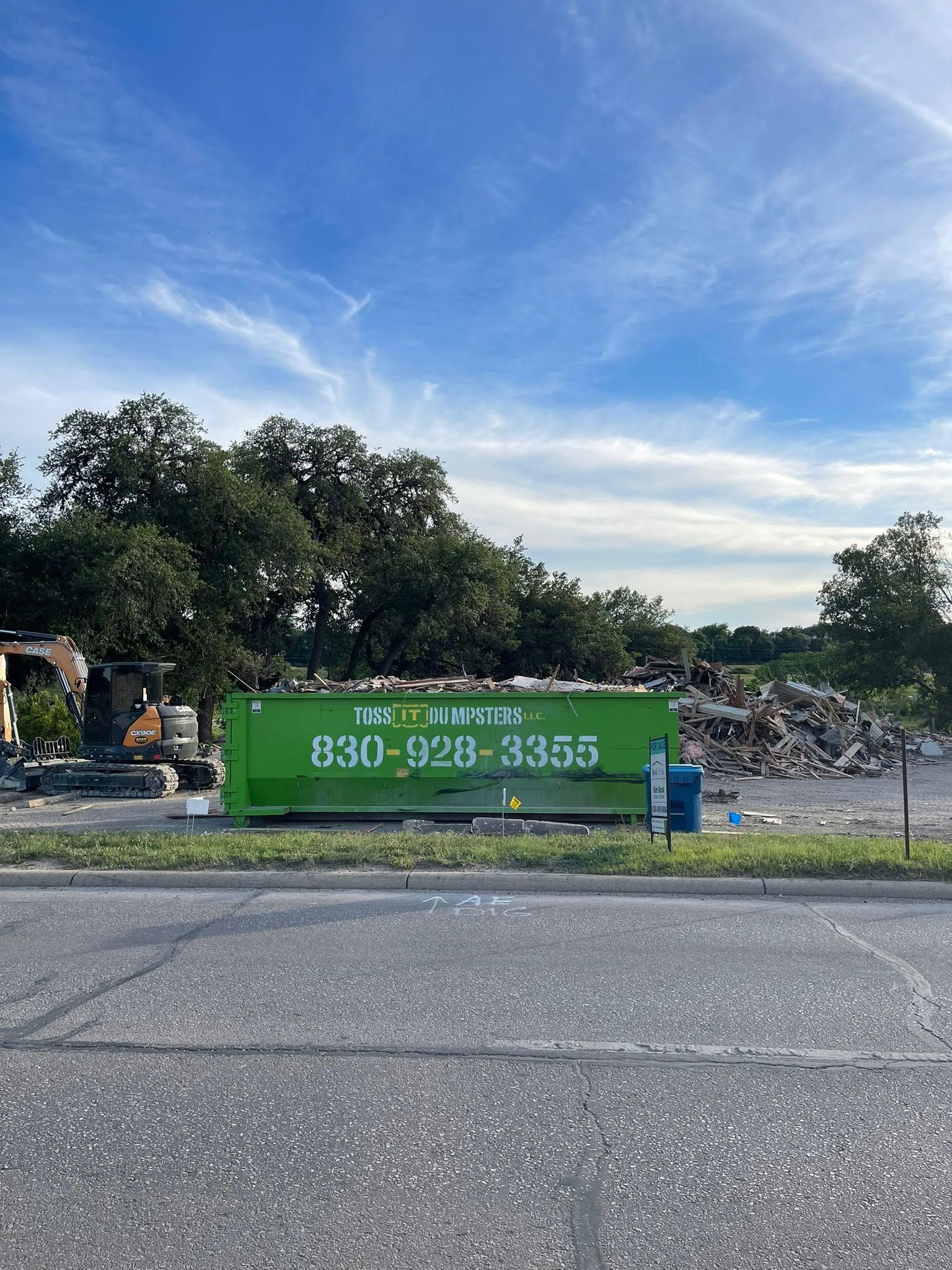
The volume of debris generated by even a small home is staggering. For most residential projects, we utilize large roll-off containers. A 30-yard or 40-yard dumpster is typically the standard for whole-home removal. These dumpster rentals are designed to handle heavy materials like concrete and roofing shingles that would crush a standard residential bin.
Recycling and Diversion
In many parts of Central Texas, we aim to keep as much material out of the landfill as possible. Concrete can be crushed into base material for roads; metal piping and wiring can be melted down and reused; and unpainted wood can be mulched. By separating these materials on-site or at a facility, we reduce the environmental impact of your project. As your partner, we handle the logistics of hauling these heavy loads, letting you focus on the future of the land.
Choosing The Right Demolition Contractor
Your choice of partner determines whether your project finishes on time or drags on for months. When vetting residential demolition contractors, look for more than just the lowest bid.
Insurance and Licensing
Always verify that your contractor carries general liability and workers' compensation insurance. Demolition is high-risk work. If a wall collapses onto a neighbor's fence or a worker is injured on your property, you need to know you are protected from liability.
Local Experience
Does the contractor understand the local terrain? maneuvering a 40-yard dumpster up a steep, winding Hill Country driveway requires skill and experience. A local operator knows how to handle our limestone ground and tight access points without destroying your driveway or the city street.
Call on Toss It!
Clearing a path for the future requires respect for the past and a strict adherence to safety and procedure. Residential demolition is a complex operation that demands professional oversight, from the initial asbestos survey to the final haul-off of debris. By understanding the regulations, prioritizing safety, and managing waste effectively, you set the stage for a successful build.
At Toss It Dumpsters, we pride ourselves on being the reliable backbone for homeowners and builders across the Hill Country. Whether you need a simple shed removal, a complete structural tear-down, or just the right demolition dumpster rental to handle the mess yourself, we have the equipment and the expertise to get it done right.
Ready to clear the way for your next project? Contact Toss It Dumpsters today for a consultation on your demolition and waste management needs.
Frequently Asked Questions
Q. What is the average timeline for a residential demolition project?
A. The physical demolition often takes only 1 to 3 days for a standard home. However, the entire demolition process—including obtaining permits, disconnecting utilities, and performing asbestos surveys—can take 2 to 4 weeks. Planning ahead allows for these necessary administrative steps without delaying your construction schedule.
Q. Do I need a permit for demolition in the Hill Country?
A. Yes, most municipalities, including Kerrville and Austin, require a permit for structural demolition. Even in unincorporated areas, you may need county-level approvals or permits for demolition waste disposal. Always check with your local building department or hire a knowledgeable contractor to handle the permitting process for you.
Q. What items cannot go into a demolition dumpster?
A. While Demolition Dumpster rental containers handle most construction debris, you cannot dispose of hazardous materials in them. This includes asbestos, lead-painted wood (unless properly wrapped/abated), tires, batteries, liquid paints, and chemicals. These items require specialized disposal methods to protect the local environment and groundwater.