OSHA Dumpster Regulations in Texas
From homeowners cleaning out a Kerrville estate sale to contractors breaking ground on a new custom home in Boerne, managing waste disposal is often an afterthought. Unfortunately, it shouldn’t be. Here’s your handy guide to OSHA dumpster rules in Texas so you can stay safe, keep crews on-site — and avoid costly fines.
Are There OSHA Dumpster Rules in Texas?
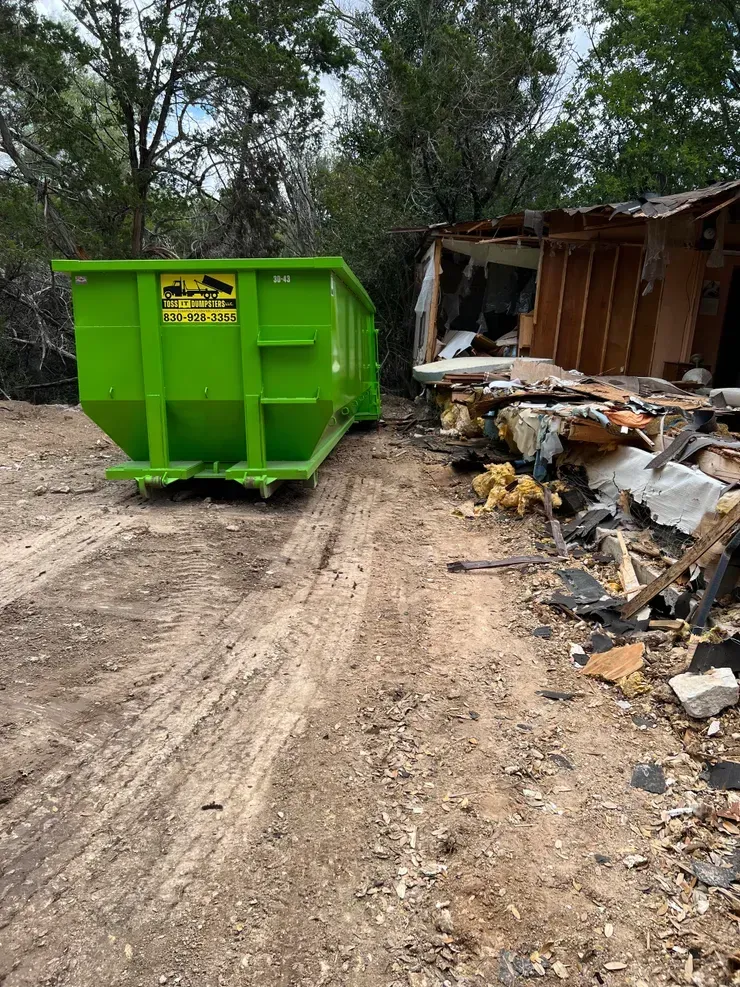
When you’re building or renovating a property in the Texas Hill Country, there’s more to project management than picking finishes and keeping crews on schedule. In Texas, the Occupational Safety and Health Administration (OSHA) does not have regulations that directly apply to dumpsters; however, OSHA enforces a broader workplace safety standard that directly impacts how companies must maintain a safe, clean, and hazard-free environment.
OSHA standards apply statewide under Title 29, Texas Code of Regulations Section 1926.252. This area of the law clearly outlines the requirements for construction waste disposal at any location where construction, modification, or renovation is taking place.
Dumpster Permit Requirements
Local municipalities across Texas may require permits for dumpsters. It is required when the dumpster is placed on public streets, if it obstructs sidewalks, or if the dumpster is placed for long extended periods. Cities like Austin and San Antonio require a “Right of Way” (ROW) permit before the dumpster rental company can deliver your roll-off dumpster. If you’re rolling your container onto your own property in the driveway, you typically don’t need a permit to position the dumpster.
Many customers are penalized by the city for not having these permits pulled ahead of time, and in fact, some dumpster companies won’t even drop off the rental if the proper paperwork hasn’t been completed. It’s always a good rule of thumb to call the city’s Public Works Department
at least a week in advance to see if your intended location requires any documentation.
Common OSHA Violations
Blocked Exits
OSHA requires all exits to remain clean and easily accessible at all times to ensure safe evacuation during emergencies. When a dumpster is placed near or in the pathways of an exit, it causes serious safety hazards. Keep the dumpster and all waste clean in or high-traffic pathways and exits. Place near driveways, loading zones, or designated service areas.
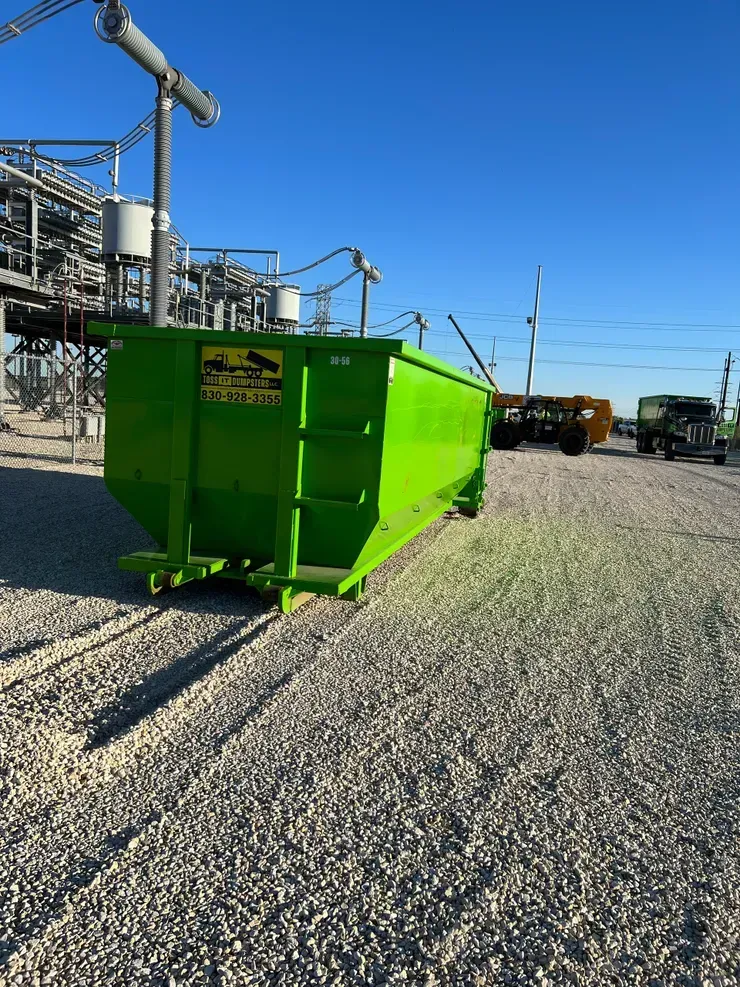
Placement of your dumpster can help you avoid accidents before they happen. OSHA standards require containers to be placed as far from walkways and overhead work areas as possible to prevent employees from being struck by debris falling from the dumpster.
- Containers should be at least 15 feet from any building entrances or fire department connections.
- Clear a path at least 20 feet wide anywhere the dumpster passes to allow emergency services access. Fire trucks and ambulances must be able to quickly navigate through job sites should an emergency occur.
- If you’re working with backhoes or bulldozers, make sure you place your dumpster outside the swing radius of heavy equipment and maintain clear visibility for the operators.
Debris Build Up & Overflowing Dumpster
Allowing trash to accumulate around a dumpster because it is overfilled is one of the most common safety violations. When debris and waste extend above the rim or spill out, it can lead to trips, falls, and unsafe working conditions. When working with most dumpster rental companies, they will work with you to ensure you meet OSHA requirements with regular pick-ups to ensure overfilling does not happen.
To stay compliant, always ensure waste remains below the fill and evenly distributed. Many local regulations in Texas also prohibit overfilled dumpsters on public property.
- Fill no higher than the top of the dumpster.
- Load the weight of the debris evenly on the floor of the container.
- Secure the load with a tarp if it’s light enough to blow away or won’t nest together neatly by the top rail.
Hazardous Waste
OSHA is very specific about the storage and disposal of hazardous materials, as you can imagine. Solvent waste, oily rags, and all types of flammable liquids must be stored in covered, fire-resistant containers until they’re removed from the site.
Dumpsters are not designed to transport hazardous waste, and putting banned items in your dumpster is a violation of federal law.
If caught, you’ll be required to pay for specialty disposal of these materials in addition to cleaning up the contaminated dumpster. Some common items you should never place in a standard Texas dumpster include:
- Batteries and Electronics
- Paint
- Pesticides
- Pool chemicals
- Asbestos
- Tires
- Appliances
Stay Safe and Stay Compliant
Like most things in life, staying compliant comes down to creating good habits. Take a few minutes each day to visually inspect the area around your dumpster. Look for overflow debris and ensure all walkways are accessible. Teach your team the correct way to load your container. Here are a few questions to ask yourself while you inspect your dumpster placement.
- Is your container placed at least 15 feet from the front entrance?
- Is your load balanced on all sides within the container?
- Are there any oily rags exposed to the air?
- Could a fire truck or ambulance drive through your site?
Unsafe labor practices like climbing into containers can cause workers to fall or be hit by debris as the dumpster shifts during movement.
Contact Us | Toss It Dumpsters
Oftentimes, homeowners and project managers are stressed enough with the day-to-day tasks of a major renovation or cleanout. You shouldn’t have to worry about the details of safe waste management.
At Toss It Dumpsters, we’ve made it our mission to be a high-integrity neighbor to our fellow Hill Country residents. Operating out of central Texas, we service all your trash removal needs with consistent, reliable service and upfront pricing. No job is too small or large: We can provide
15-yard dumpster rental for your next garage sale, or an entire fleet of 40-yard dumpsters for commercial construction projects.
Let us take care of the dirty work — while you tackle the details.
Contact Toss It Dumpsters today!